
Picture yourself cycling a flat, tree-lined trail in the morning sun, then sitting down to lunch on a lively downtown street where engineers, students and long-time locals all queue for the same tacos. Mountain View is not a showpiece tourist city, and that is its charm: it is a comfortable, walkable Silicon Valley base where the attractions are real neighbourhood places — parks, a world-class tech museum, a historic house and a genuinely good main street — rather than staged sights. This guide covers what is actually worth your time, and how to pair it with the wider Bay Area.
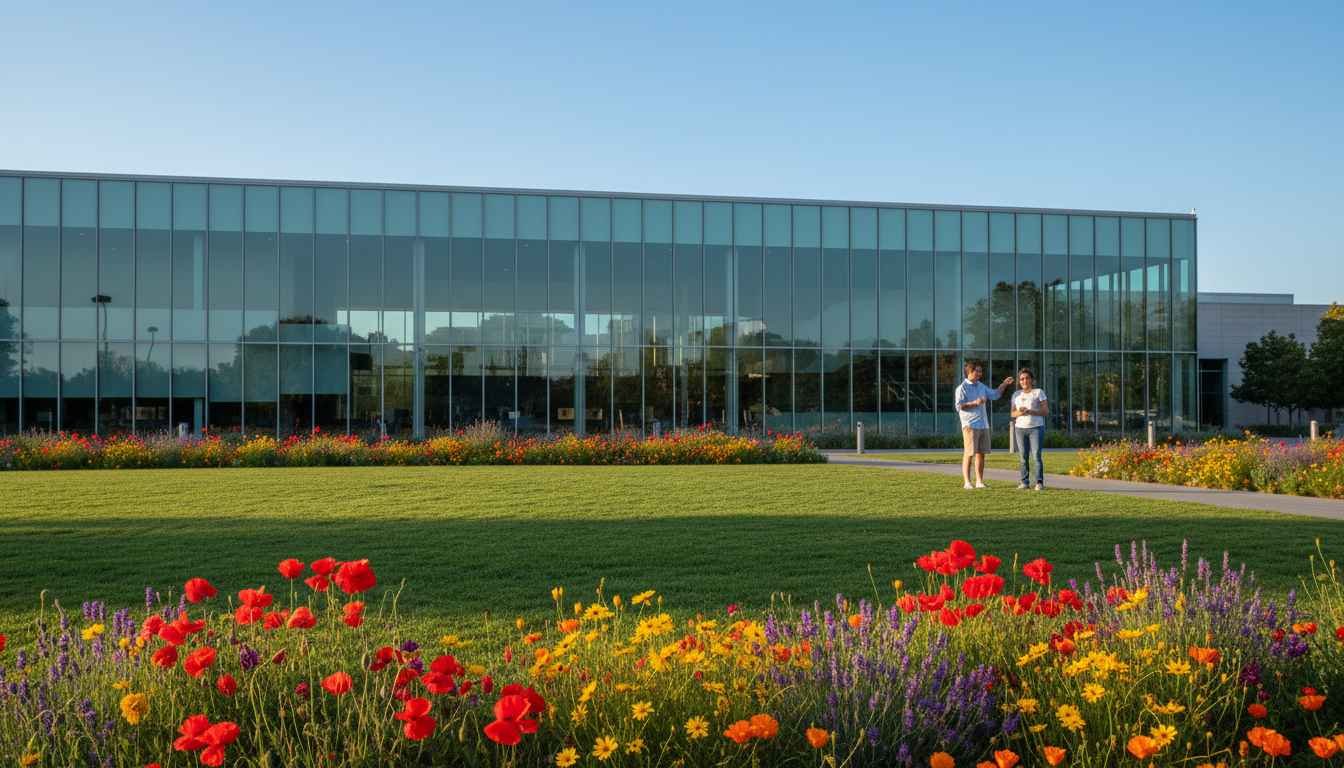
One thing to know before you go: Mountain View works best as a one- or two-day stop, not a week-long base on its own. Its pleasures are low-key and outdoorsy, and the city’s real strength is location — close to Palo Alto and Stanford, to San Francisco Bay shoreline, and to the Santa Cruz Mountains — so plan a day in town and a day exploring outward.
Stevens Creek Trail and Shoreline Lake Park
Start outdoors on the Stevens Creek Trail, a paved, mostly flat path that runs through the city and is ideal for walking, running and cycling, with birdlife along the creek and easy access from downtown. It connects naturally to Shoreline Lake Park (Shoreline at Mountain View), the city’s big waterfront open space on the bay: picnic lawns, a lake where you can rent pedal boats and kayaks, kite-flying fields and long, level paths that suit families and anyone who wants an easy morning outside. Come in the morning for the calmest water and the best light, and bring layers — the bay breeze can be cool even when downtown is warm.
Computer History Museum: The Essential Indoor Stop
The Computer History Museum, right in Mountain View, is the city’s must-see indoor attraction and one of the best technology museums anywhere. Its galleries trace computing from early calculating machines through the personal computer revolution to the internet age, with hands-on exhibits and historic machines that make the story tangible even for visitors who are not tech specialists. Allow at least half a day: the permanent exhibition alone is large, and the museum’s talks and demonstrations are worth checking when you arrive. It is also the honest answer to the Silicon Valley question — this is where the region’s history is actually on display, rather than glimpsed from a car window.
Downtown Castro Street and the Rengstorff House
Mountain View’s downtown, centred on Castro Street, is where the city shows its everyday character: independent restaurants covering cuisines from around the world, cafes, bookshops and a regular farmers’ market that draws locals at weekends. It is an easy, pleasant evening walk, and the most practical place to base yourself for dinner. Nearby, the Rengstorff House — a restored Victorian-era home set in its own park — offers a quieter look at the area’s pre-tech past, with gardens and picnic spots that make it a good family stop between the trail and downtown. Note that the big tech campuses around town, including Google’s headquarters, are working offices rather than public attractions: you can walk or cycle past the area and see the famous outdoor sculptures from public paths, but do not plan a tour inside.
Day Trips: Palo Alto, Stanford and Yosemite Country
Mountain View’s location makes two day trips easy. The first is Palo Alto, a short drive or train ride away, where you can walk the Stanford University campus, visit its art museum and climb Hoover Tower for a view across the peninsula. The second, for nature lovers with more time, is to look further afield in California — for example, the top places to visit in Yosemite National Park make a classic longer excursion from the Bay Area, best done as an overnight trip rather than a day dash. Closer to home, the neighbouring Bay Area also rewards a wander: the places to visit in Union Square, San Francisco give you the city’s shopping and theatre district in a compact, walkable outing if you take the train north for a day.
FAQ
- How much time do you need in Mountain View?
One full day covers the Computer History Museum, Stevens Creek Trail or Shoreline Lake Park, and an evening on Castro Street. Add a second day for Palo Alto and Stanford.
- When is the best time to visit Mountain View, California?
Spring and fall offer the most comfortable weather for trails and outdoor sightseeing. Summer is warm and dry, while winter days are cooler but still very walkable.
- Is Mountain View suitable for families?
Yes. The flat trails, Shoreline Lake Park’s open spaces and boat rentals, the hands-on museum exhibits and the family-friendly downtown restaurants all suit children well.
Final Thoughts
Mountain View will not overwhelm you with famous sights, and that is precisely why it works: a morning on the trail, an afternoon in one of the world’s great tech museums, and an evening eating well on Castro Street add up to a genuinely enjoyable day. Use it as a calm base, explore outward to Palo Alto and the bay, and you will leave with a much truer sense of Silicon Valley than any drive-by tour could give you.