You step off the train in a city you have never visited. The station is loud, the signs are in a language you half-recognise, and your phone has just lost signal. Within a minute, someone friendly is at your elbow offering a taxi, a map, or a shortcut to your hotel. Most people in a new city genuinely want to help, but a small number are running a script, and new arrivals are their favourite audience. The good news is that most tourist scams follow the same few patterns, and once you can spot them, they lose their power.
Why New Arrivals Make Easy Targets
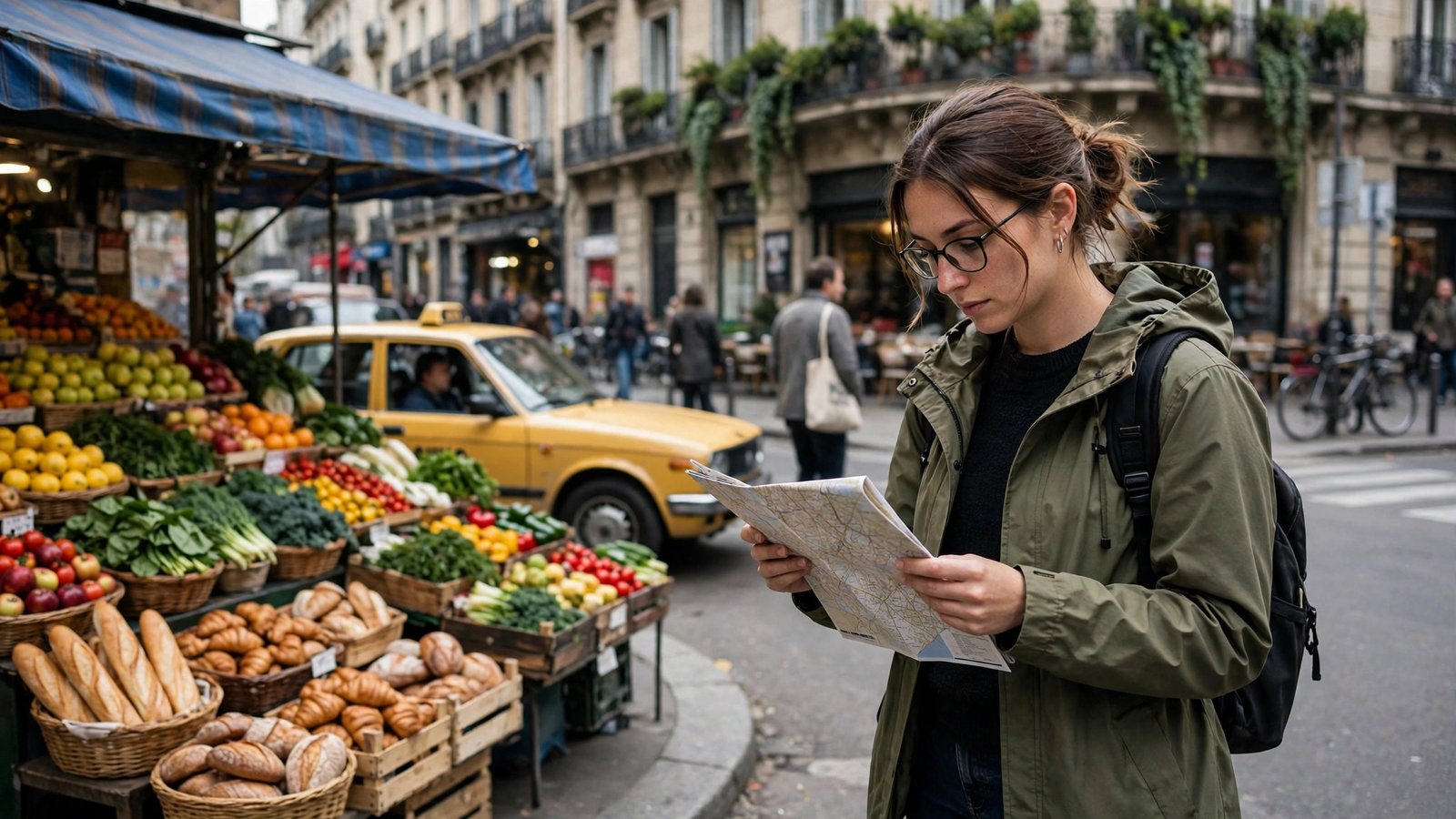
Scammers do not pick victims at random. They look for the signs of someone who has just arrived: a suitcase, a paper map, a phone held up to read street names, and that slow, uncertain walk of a person working out which way to go. A new arrival usually does not know what a taxi should cost, which streets are safe after dark, or how a ticket machine is supposed to work. Add tiredness after a long journey and the natural politeness of not wanting to offend a stranger, and you have the perfect conditions for a scam.
Understanding this is half the defence. Scams work by creating urgency and confusion, so the person has no time to think. If you slow the moment down — step aside, check your phone, ask in a shop — the trick usually falls apart on its own.
The Most Common Tourist Scams to Recognise
Scams change their details from city to city, but the scripts repeat. Here are the ones travellers meet most often.
The “closed” attraction
A friendly stranger near a famous temple, museum, or palace tells you it is closed today — for a holiday, a ceremony, or repairs — and offers to take you to a better place instead. That “better place” is usually a shop where the stranger earns a commission, or a tour that costs far more than it should. The real attraction is almost always open. Walk to the entrance and check for yourself, or ask at the ticket office.
The free gift that is not free
Someone ties a bracelet around your wrist, hands you a flower, or places a small souvenir in your hand, then demands payment. Once the item is on you, it feels awkward to refuse. The defence is simple: do not accept anything pressed into your hand. Keep your hands in your pockets or folded, smile, say no, and keep walking.
The taxi with a broken meter
The driver says the meter is broken, quotes a flat price, and then takes the longest possible route. In some cities, drivers may also claim your hotel is full or closed and offer to take you to a “friend’s” hotel instead. Before you get in, agree on the price or insist on the meter. If the driver refuses, take the next taxi. At an airport, use the official taxi rank rather than accepting offers from drivers waiting inside the terminal.
The fake ticket seller
Outside busy attractions, people sell “skip the line” tickets, discounted entry, or last-minute show tickets. Some are genuine resellers, but many are fakes or tickets bought at a fraction of the price being sold on at a markup. Buy tickets from the official website, the box office, or a clearly marked authorised seller, and never from a stranger on the pavement.
The helpful stranger at the cash machine
Someone offers to help you with an unfamiliar cash machine, watches you enter your PIN, or distracts you while an accomplice takes your card or cash. Never accept help at a cash machine, shield the keypad with your free hand, and use machines inside a bank branch where you can. If anyone is standing too close, cancel the transaction and walk away.
The spill or the bump
Someone “accidentally” spills a drink on you, bumps into you in a crowd, or drops something at your feet. While you are cleaning up or apologising, a hand reaches for your pocket or bag. If something like this happens, step back, check your belongings before you engage in conversation, and keep your bag zipped and in front of you in crowded places.
Five Checks to Do Before You Arrive
A few minutes of preparation before you travel removes most of the guesswork that scammers rely on.
- Learn the normal prices. Find out what a taxi from the airport to the centre should cost, what a metro ticket costs, and roughly what a meal costs. When you know the real price, an inflated one is obvious.
- Read your government’s travel advice. Official travel advice pages list the common scams in each country, areas to avoid, and emergency numbers. The UK Foreign Office travel advice at gov.uk/foreign-travel-advice is a good starting point, and most countries publish something similar.
- Book your first night and your arrival transfer in advance. Arriving late with nowhere to stay makes you an easy target. A pre-booked hotel and a pre-arranged transfer mean you never have to negotiate with a stranger while tired.
- Download an offline map. If you can navigate without asking for directions, you spend far less time looking lost on a street corner. Save your hotel’s address in the local language too, so you can show it to a driver.
- Carry a mix of payment methods. Keep most of your money on a card and carry only the cash you need for the day, split between two places. If one is lost or stolen, you are not left with nothing.
Habits That Keep You Safe on the Ground
Once you are out exploring, a few steady habits do most of the work. Walk as though you know where you are going, even when you do not — if you need to check directions, step inside a café or a shop rather than stopping in the middle of the pavement. Agree on a price before a taxi moves, before a meal is ordered, and before a service begins. A genuine seller will not mind the question; a scammer will.
Planning your days in advance helps more than most people expect, because it cuts the time you spend standing around looking uncertain. If you want a simple starting point, this guide to plan a simple three-day itinerary for a first visit shows how to map out a new city before you arrive. And when someone approaches you with an offer that feels rushed, remember that saying “no, thank you” and walking on is always acceptable. You owe a stranger no explanation, and no honest local will be offended by a polite refusal.
If You Have Already Been Scammed
It happens to careful travellers too, and it is not a reason to blame yourself. Do not chase the person — your safety matters more than the money. If a card was involved, contact your bank straight away to block it and dispute the charge. Report the incident to the local police and ask for a copy of the report, which your travel insurer will usually ask for. Keep any receipts, tickets, or messages as evidence. If your passport or other documents were taken, contact your embassy or consulate for emergency help. Then report the scam to your hotel or the local tourist information office, so other travellers can be warned.
FAQ: Avoiding Tourist Scams
Are tourist scams common in every city?
Not equally. Big tourist hubs and transport terminals attract more of them, while smaller towns and rural areas see far fewer. The patterns are similar wherever they appear, so the same habits protect you in most places.
Is it rude to refuse help from a stranger?
No. A short “no, thank you” with a smile is polite in almost every culture. Genuine helpers accept it and move on; someone running a scam will keep pushing, which tells you everything you need to know.
Should I carry cash or use a card?
A mix of both is usually best. Cards leave a record and can be blocked if stolen, while a small amount of cash covers markets, tips, and places that do not take cards. Keep the bulk of your money in one place and the day’s spending money in another.
Final Thoughts
Tourist scams are not a reason to fear a new city. They are a reason to arrive prepared. Learn the normal prices, agree on costs before you commit, keep your belongings close, and trust the feeling that something is rushed or too good to be true. Most of the people you meet while travelling are kind, honest, and happy to help. A little caution simply makes sure the few who are not cannot spoil the trip.